Hyzaar
Active Ingredient: Losartan
Hyzaar is used for treating high blood pressure.
| A | B | C | D | E | F | G | H | I | J | K | L | M | N | O | P | Q | R | S | T | U | V | W | X | Y | Z |
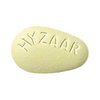
INDICATIONS
Hyzaar is used for treating high blood pressure. It may be used to decrease the risk of stroke in certain patients with high blood pressure. Hyzaar is a combination angiotensin II receptor blocker and diuretic. The angiotensin II receptor blocker works by relaxing the blood vessels.
INSTRUCTIONS
Use Hyzaar as directed by your doctor.
Ask your health care provider any questions you may have about how to use Hyzaar.
STORAGE
Store Hyzaar at 77 degrees F (25 degrees C). Brief storage at temperatures between 59 and 86 degrees F (15 and 30 degrees C) is permitted. Store away from heat, moisture, and light. Do not store in the bathroom. Keep Hyzaar out of the reach of children and away from pets.
MORE INFO:
Active Ingredient: Losartan potassium-hydrochlorothiazide.
Do NOT use Hyzaar if:
Contact your doctor or health care provider right away if any of these apply to you.
Some medical conditions may interact with Hyzaar. Tell your doctor or pharmacist if you have any medical conditions, especially if any of the following apply to you:
Some medicines may interact with Hyzaar. Tell your health care provider if you are taking any other medicines, especially any of the following:
This may not be a complete list of all interactions that may occur. Ask your health care provider if Hyzaar may interact with other medicines that you take. Check with your health care provider before you start, stop, or change the dose of any medicine.
All medicines may cause side effects, but many people have no, or minor, side effects.
Check with your doctor if any of these most common side effects persist or become bothersome:
Back pain; diarrhea; dizziness; lightheadedness, especially when sitting up or standing; nausea; numbness or tingling of the skin; tiredness.
Seek medical attention right away if any of these severe side effects occur:
Severe allergic reactions (rash; hives; itching; difficulty breathing; tightness in the chest; swelling of the mouth, face, lips, or tongue); chest pain; confusion; decrease in sexual ability; decreased urination; depression; drowsiness; fainting; fast or irregular heartbeat; fever, chills, or persistent sore throat; hoarseness; muscle pain, tenderness, or cramps; red, swollen, blistered, or peeling skin; restlessness; seizures; severe or persistent dry mouth; shortness of breath; swelling of the arms or legs; unusual bruising or bleeding; unusual thirst; unusual tiredness or weakness; vomiting; yellowing of the skin or eyes.
This is not a complete list of all side effects that may occur. If you have questions about side effects, contact your health care provider.
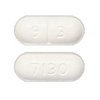 Torsemide$0.38 for pillTorsemide is used for treatment of edema (swelling) associated with heart, kidney, or liver failure, or with conditions in which there is excess body water. It is also used alone or with other medicines to treat high blood pressure.
 Doxazosin$0.37 for pillDoxazosin is used for treating high blood pressure and treating signs and symptoms of benign prostatic hyperplasia (BPH).
 Digoxin$0.47 for pillDigoxin is used for treating heart failure and slowing the heart rate in patients with chronic atrial fibrillation, a type of abnormal heart rhythm.
 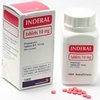 Inderal$0.32 for pillInderal is used for treating high blood pressure or atrial fibrillation.
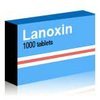 Lanoxin$0.44 for pillLanoxin is used for treating heart failure and slowing the heart rate in patients with chronic atrial fibrillation, a type of abnormal heart rhythm.
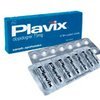 Plavix$0.79 for pillPlavix is used for reducing the risk of stroke or heart attack in patients who have already had a heart attack or stroke, have other circulatory problems caused by narrowing and hardening of the arteries, or have certain other heart problems (eg, unstable angina).